

Herbal Teas for Peaceful Sleep | Vedicwibes
Herbal Teas for Peaceful Sleep| Vedicwibes Discover the best herbal teas for peaceful sleep. Learn which bedtime teas calm your […]
Herbal Teas for Peaceful Sleep | Vedicwibes Read Post »
Dosha balance in Ayurveda refers to maintaining harmony between Vata, Pitta, and Kapha so your digestion, energy, sleep, and mood remain steady. When these three bio-energies are balanced according to your constitution, you feel clear, grounded, and resilient. When they are disturbed, small discomforts begin to appear.
In Ayurveda, health is not just the absence of disease. It is a dynamic balance.
The three doshas — Vata, Pitta, and Kapha — govern all physical and mental processes. Each person has a unique combination. This is your constitutional blueprint.
Dosha balance means:
It is not about perfection. It is about rhythm.
If you are unsure of your natural constitution, start with Understanding Your Dosha. Knowing your baseline makes balancing much simpler.
Vata governs movement, circulation, breathing, and the nervous system. It is light, dry, and quick.
Balanced Vata feels:
Imbalanced Vata feels:
Balancing Vata often begins with warmth, regular meals, and predictable routines. Explore practical steps inside Vata Tips and Practices.
Pitta governs digestion, metabolism, and sharp thinking. It is hot and intense.
Balanced Pitta feels:
Imbalanced Pitta feels:
Cooling foods and structured breaks help. You can go deeper inside Pitta Tips and Practices.
Kapha governs stability, lubrication, and immunity. It is heavy and steady.
Balanced Kapha feels:
Imbalanced Kapha feels:
Light, stimulating habits make a difference. See detailed guidance in Kapha Tips and Practices.
What happens when your doshas are out of balance?
When one dosha becomes excessive, it begins to disturb digestion, sleep, mood, and energy.
Common signs of dosha imbalance include:
These are early signals. Ayurveda teaches us to correct small imbalances before they become larger disruptions.
After 40, natural changes occur in digestion, sleep, and hormonal rhythm. The body becomes less tolerant of irregular habits.
Many people notice:
This is not weakness. It is a call for alignment.
An intentional Ayurvedic lifestyle routine supports circadian rhythm, digestive strength, and emotional steadiness. Small adjustments now prevent larger discomfort later.
How to balance doshas naturally?
Begin with rhythm.
Ayurveda emphasizes:
Dosha balance is less about restriction and more about awareness.
If you want structured daily support, aligning with an Ayurvedic daily rhythm can strengthen digestion and reduce internal stress.
Weather directly influences doshas.
Adjusting food and routine with seasonal shifts is essential. For example:
For practical strategies throughout the year, explore Seasonal Dosha Adjustments.
Food is one of the most powerful tools for dosha balance.
General principles:
For deeper guidance, see Foods for Dosha Balance, where you’ll find dosha balancing foods categorized clearly.
For balancing Vata:
For balancing Pitta:
For balancing Kapha:
Lifestyle matters equally:
Frequently Asked Questions
Dosha balance means keeping Vata, Pitta, and Kapha in harmony so digestion, energy, mood, and sleep remain stable.
Signs include bloating, irritability, fatigue, poor sleep, heaviness, or dryness depending on which dosha is aggravated.
Diet is powerful, but routine, sleep, stress management, and seasonal awareness are equally important.
Vata imbalance becomes more common due to natural dryness and nervous system sensitivity.
Mild imbalances may improve within weeks when consistent lifestyle adjustments are made.
Dosha balance is not complicated. It is a return to rhythm.
Small, steady adjustments — in food, routine, and seasonal awareness — create lasting steadiness. Start with awareness. Then move gently, one habit at a time.
Herbal Teas for Peaceful Sleep| Vedicwibes Discover the best herbal teas for peaceful sleep. Learn which bedtime teas calm your […]
Herbal Teas for Peaceful Sleep | Vedicwibes Read Post »

Best Foods to Pacify Vata Dosha:Ayurveda Diet Guide|Vedicwibes Discover the best foods to pacify Vata dosha. Learn what to eat,
Best Foods to Pacify Vata Dosha:Ayurveda Diet Guide|Vedicwibes Read Post »

Spring Detox Rituals: Ayurvedic Cleansing Guide | Vedicwibes Discover simple Ayurvedic spring detox rituals to refresh body, mind, and energy
Spring Detox Rituals: Ayurvedic Cleansing Guide | Vedicwibes Read Post »

19 Vata-Pacifying Yoga Poses to Restore Balance | Vedicwibes Discover 19 gentle Vata-pacifying yoga poses for balance to calm your
19 Vata-Pacifying Yoga Poses to Restore Balance | Vedicwibes Read Post »
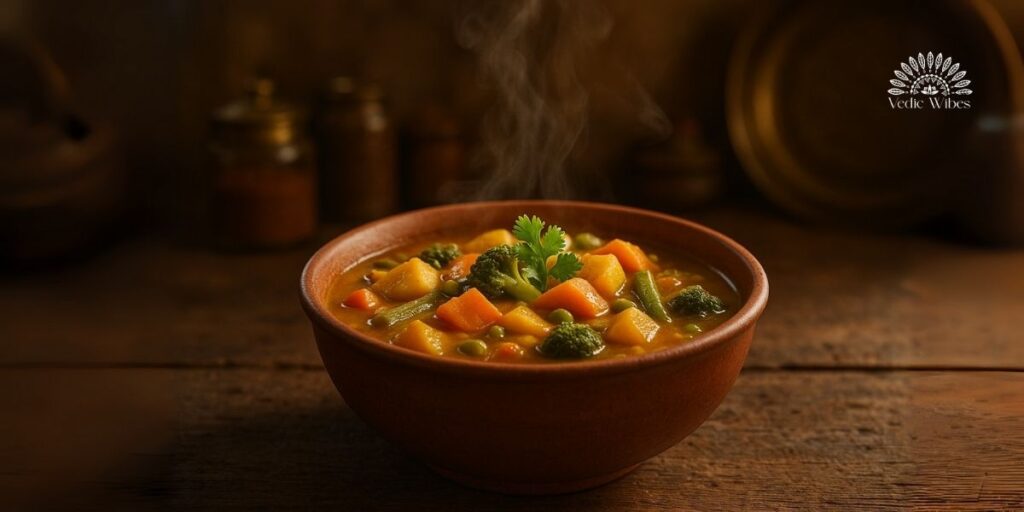
5 Ayurvedic Benefits of Vegetable Stew | Vedicwibes Discover 5 Ayurvedic benefits of Vegetable Stew and learn an easy recipe
5 Ayurvedic Benefits of Vegetable Stew | Vedicwibes Read Post »
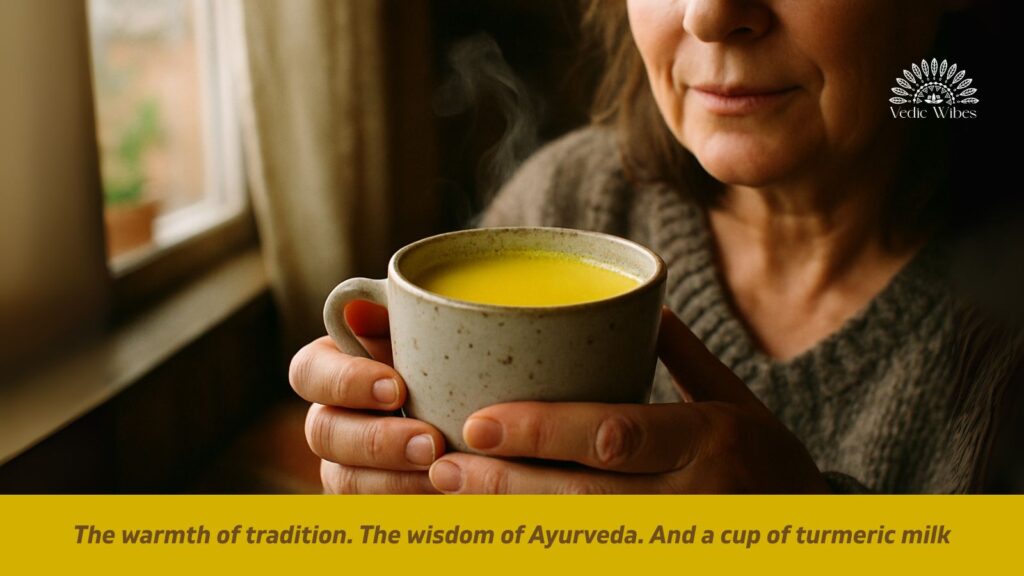
Turmeric Milk for Immunity: A Golden Remedy | Vedicwibes Discover how turmeric milk boosts immunity, reduces inflammation, and supports digestion—rooted
Turmeric Milk for Immunity: A Golden Remedy | Vedicwibes Read Post »

Spring: Balancing Kapha with Simple Ayurvedic Wisdom|Vedicwibes Spring kapha tips to feel lighter, brighter, and more energized. Discover Ayurvedic lifestyle
Spring: Balancing Kapha with Simple Ayurvedic Wisdom|Vedicwibes Read Post »

What’s Your Dosha? A Beginner’s Guide | Vedicwibes Curious about Vata, Pitta, and Kapha? This beginner’s guide to Doshas explains
What’s Your Dosha? A Beginner’s Guide to Ayurveda’s Energy Types | Vedicwibes Read Post »