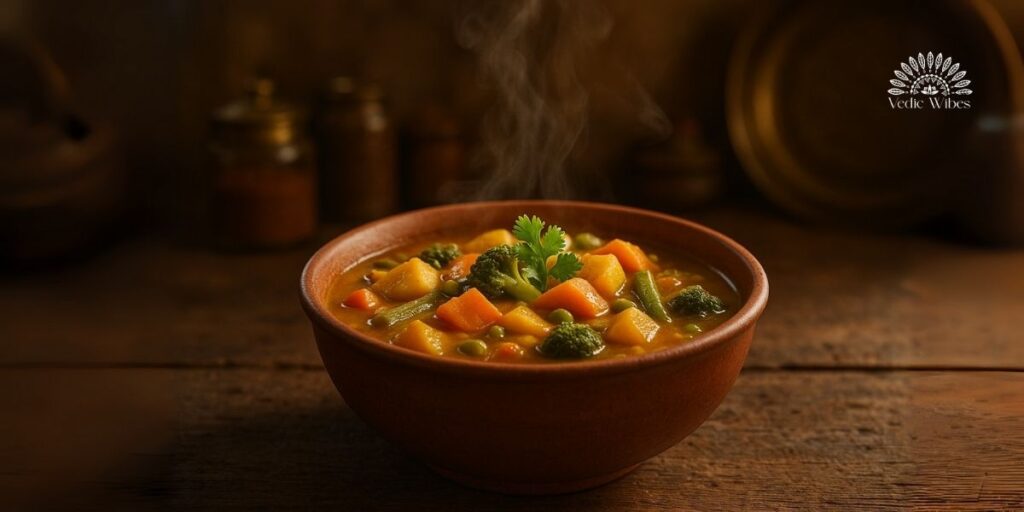
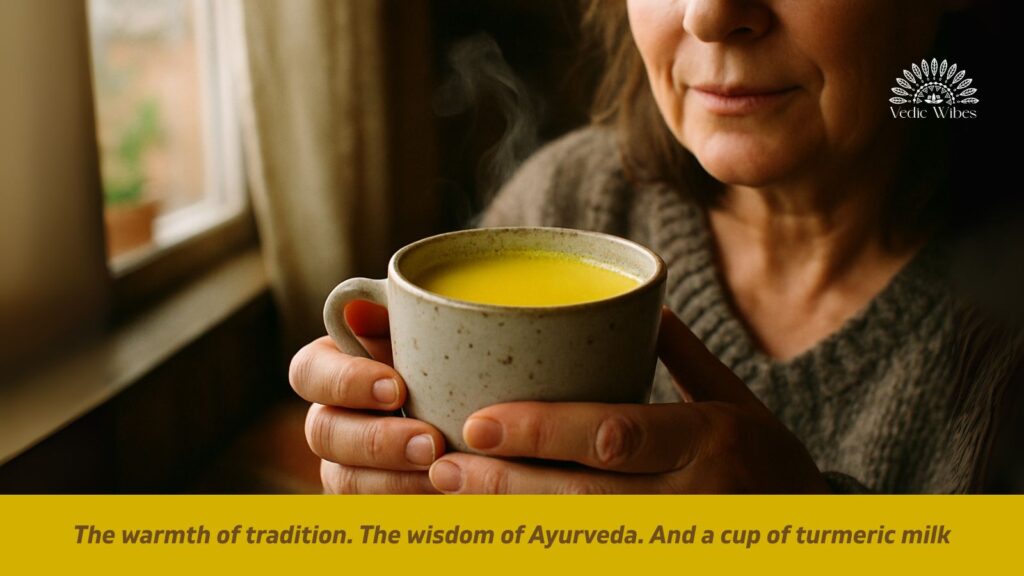
Vedic Recipes
Ancient Food Wisdom for Modern Health
Food in Ayurveda is not just about filling the stomach. It is about nourishing the body, calming the mind, and supporting natural balance.
For thousands of years, traditional Indian households have followed simple food principles rooted in Ayurveda. Fresh ingredients. Seasonal cooking. Gentle spices. Meals prepared with care.
These are the foundations of Vedic recipes.
On this page, you will discover how Ayurvedic cooking and sattvic recipes support digestion, energy, and overall wellness. You will also find different recipe collections designed to help you bring these timeless practices into your daily kitchen.
What Are Vedic Recipes?
Vedic recipes are traditional meals inspired by Ayurvedic food principles that focus on fresh, seasonal, and balanced ingredients to support digestion, energy, and natural body balance.
These recipes usually include:
- Fresh vegetables and whole grains
- Gentle digestive spices like cumin, ginger, and turmeric
- Simple cooking methods
- Seasonal ingredients
- Foods suited to individual dosha balance
Unlike modern processed food, Vedic cooking emphasizes simplicity and nourishment. The goal is not complexity. The goal is harmony between food, body, and nature.
These ideas come from classical Ayurvedic wisdom and traditional Indian cooking practices that have been followed for generations.
Why Food Is Central to Ayurveda?
Ayurveda places food at the center of health.
According to Ayurvedic philosophy, the strength of your Agni (digestive fire) determines how well the body absorbs nutrients and maintains balance.
When digestion is strong:
- Energy levels stay stable
- The body processes nutrients efficiently
- The mind feels calm and clear
When digestion becomes weak or irregular, imbalance can slowly develop.
That is why Ayurveda emphasizes:
- Eating freshly prepared meals
- Using digestive spices
- Following seasonal eating patterns
- Choosing foods that suit your dosha
This is where Ayurvedic recipes and traditional wellness cooking become important.
Food becomes daily medicine—not through pills, but through mindful nourishment.
Core Principles of Vedic Cooking
Traditional Ayurvedic cooking follows a few core principles that help support digestion and balance in the body.
These principles are widely recognized in Ayurvedic food philosophy.
Eat According to the Seasons
Seasonal foods support the body’s natural rhythm. For example:
- Cooling foods in summer
- Warming meals in winter
- Digestive-supporting foods during monsoon
Use Digestive Spices
Spices such as ginger, cumin, and fennel help stimulate Agni, the digestive fire.
Prefer Freshly Cooked Meals
Fresh meals are easier to digest compared to processed or heavily preserved foods.
Balance the Six Tastes
Ayurveda recommends including six tastes in meals:
- Sweet
- Sour
- Salty
- Bitter
- Pungent
- Astringent
Balanced tastes support digestive satisfaction and overall balance.
Adjust Food for Dosha Balance
Each individual has a natural body type known as a dosha:
Foods can be adjusted to support these natural body tendencies.
How Vedic Cooking Supports Digestion and Energy
Vedic cooking follows a few simple principles that help support digestion naturally.
Balanced flavors
Ayurveda recognizes six tastes in food:
- Sweet
- Sour
- Salty
- Bitter
- Pungent
- Astringent
Traditional meals try to include a natural balance of these tastes.
Gentle spices
Common Ayurvedic spices support digestion:
- Ginger
- Turmeric
- Cumin
- Coriander
- Fennel
These spices help stimulate Agni, making meals easier to digest.
Warm and freshly prepared meals
Ayurveda generally prefers:
- Warm food over cold food
- Fresh meals over leftovers
- Cooked food over heavily processed items
This approach supports steady energy throughout the day.
Common Ingredients Used in Ayurvedic Recipes
Ayurvedic kitchens often rely on simple, nourishing ingredients that support digestion and balance.
Some commonly used ingredients include:
- Ghee – a traditional clarified butter used for cooking
- Turmeric – a warming spice widely used in Ayurvedic meals
- Ginger – supports digestion and warmth in food
- Cumin – commonly used in lentil and vegetable dishes
- Coriander – balances flavor and digestion
- Fennel – known for its gentle digestive properties
- Lentils and legumes – an important source of plant protein
- Seasonal vegetables – used depending on climate and availability
These ingredients form the base of many healthy Ayurvedic meals and sattvic recipes.
Types of Vedic Recipes You Will Find
Ayurvedic cooking is not one single type of recipe. It is a complete food system that adapts to daily life, seasons, and body types.
Below are the main recipe categories you can explore.
Ayurvedic Breakfast Recipes
Morning meals should be light but nourishing. The goal is to gently awaken digestion without overwhelming it.
In the Ayurvedic Breakfast Recipes section you will find recipes such as:
- Warm porridges and grains
- Light spiced fruits
- Herbal morning drinks
- Easy sattvic breakfast dishes
These recipes are designed to support digestion and provide steady morning energy.
Explore the collection here:
Ayurvedic Breakfast Recipes → /breakfast-recipes/
Ayurvedic Lunch and Dinner Recipes
In Ayurveda, lunch is considered the main meal of the day because digestion is strongest around midday.
Dinner is usually lighter and easier to digest.
In the Lunch and Dinner Recipes section, you will find meals that include:
- Traditional grain and lentil combinations
- Vegetable dishes with digestive spices
- Balanced Ayurvedic meal plates
- Simple everyday sattvic recipes
These recipes focus on healthy Ayurvedic meals that nourish without heaviness.
Explore the full collection:
Ayurvedic Lunch and Dinner Recipes → /lunch-and-dinner-recipes/
Ayurvedic Snacks and Drinks
Snacking in Ayurveda is usually simple and mindful.
Instead of processed snacks, traditional kitchens often include:
- Roasted grains or seeds
- Light herbal drinks
- Fresh fruit-based snacks
- Warm digestive beverages
These small meals help maintain energy between meals without disturbing digestion.
Explore these here:
Ayurvedic Snacks and Drinks → /snacks-and-drinks/
Herbal Teas and Tonics
Herbal beverages are a gentle and powerful part of Ayurvedic food traditions.
Common ingredients include:
- Ginger
- Tulsi (holy basil)
- Fennel
- Cinnamon
- Cardamom
These drinks are often enjoyed:
- In the morning
- After meals
- During seasonal changes
Explore these recipes here:
Herbal Teas and Tonics → /herbal-teas-and-tonics/
Seasonal Recipes in Ayurveda
Ayurveda strongly recommends seasonal eating.
Different seasons influence the body and digestion in different ways.
For example:
- Summer foods are lighter and cooling
- Winter foods are warmer and nourishing
- Monsoon foods support digestion when it becomes weaker
Explore seasonal meals here:
Seasonal Ayurvedic Recipes → /seasonal-recipes/
Dosha-Specific Recipes
Ayurveda recognizes three body-energy types called doshas:
Each dosha responds differently to certain foods.
For example:
- Vata benefits from warm and grounding meals
- Pitta prefers cooling foods
- Kapha thrives with lighter, stimulating meals
Explore personalized recipes here:
Dosha-Specific Recipes → /dosha-specific-recipes/
Beginner’s Guide to Starting Ayurvedic Cooking
If you are new to Ayurvedic cooking, you can start with a few simple habits.
1. Start with simple breakfast recipes
Warm and easy breakfasts are a gentle way to begin Ayurvedic eating.
2. Cook with digestive spices
Use small amounts of ginger, cumin, and coriander in daily meals.
3. Follow seasonal foods
Choose fruits and vegetables that grow naturally in the current season.
4. Eat freshly prepared meals
Fresh meals support digestion and overall balance.
Small steps like these help bring Ayurvedic food wisdom into everyday life.
Practical Tips for Cooking Ayurvedic Meals at Home
You do not need complicated techniques to follow Ayurvedic cooking.
Start with a few simple habits.
- Cook fresh whenever possible
- Use digestive spices regularly
- Eat in a calm environment
- Prefer seasonal ingredients
- Keep meals simple
Small changes in the kitchen can gradually create healthier eating patterns.
Explore the Vedic Recipes Collection
Food traditions from Ayurveda offer a calm and balanced way of cooking. The focus is not strict dieting or complicated rules. It is about eating in harmony with nature and your body.
If you would like to bring these ideas into your daily meals, explore the recipe collections below:
- Ayurvedic Breakfast Recipes
- Lunch and Dinner Recipes
- Snacks and Drinks
- Herbal Teas and Tonics
- Seasonal Recipes
- Dosha-Specific Recipes
Each section offers recipes inspired by traditional Ayurvedic food wisdom.
Related Ayurvedic Food Guides
You may also enjoy exploring these helpful guides:
- Ayurvedic Diet for Beginners
- What Is Sattvic Food
- Best Ayurvedic Spices for Digestion
- Dosha Balancing Foods Guide
These guides help deepen your understanding of Ayurvedic cooking and food philosophy.
Frequently Asked Questions
What are Vedic recipes?
Vedic recipes are traditional meals inspired by Ayurvedic food principles. They focus on fresh, seasonal ingredients, gentle spices, and balanced flavors to support digestion and natural body balance.
Are Vedic recipes the same as Ayurvedic recipes?
Yes, the terms are often used interchangeably. Both refer to cooking traditions rooted in Ayurveda and traditional Indian wellness practices.
What foods are commonly used in Ayurvedic cooking?
Common ingredients include whole grains, lentils, fresh vegetables, digestive spices like cumin and turmeric, and herbal beverages.
What is sattvic food in Vedic cooking?
Sattvic food refers to simple, fresh, and nourishing foods that support clarity and balance. These foods are lightly spiced and freshly prepared.
Why does Ayurveda recommend seasonal eating?
Seasonal eating helps the body adjust to environmental changes and maintain natural dosha balance throughout the year.