
Table of Contents
ToggleHerbal Teas for Peaceful Sleep| Vedicwibes
Discover the best herbal teas for peaceful sleep. Learn which bedtime teas calm your mind, support digestion, and help you rest naturally.
Ever lie awake at night, staring at the ceiling, wishing your mind would just… quiet down? You’re not alone. Many of us in our 40s and 50s notice that sleep becomes trickier. Racing thoughts. Restless body. And yet, we crave deep, peaceful rest.
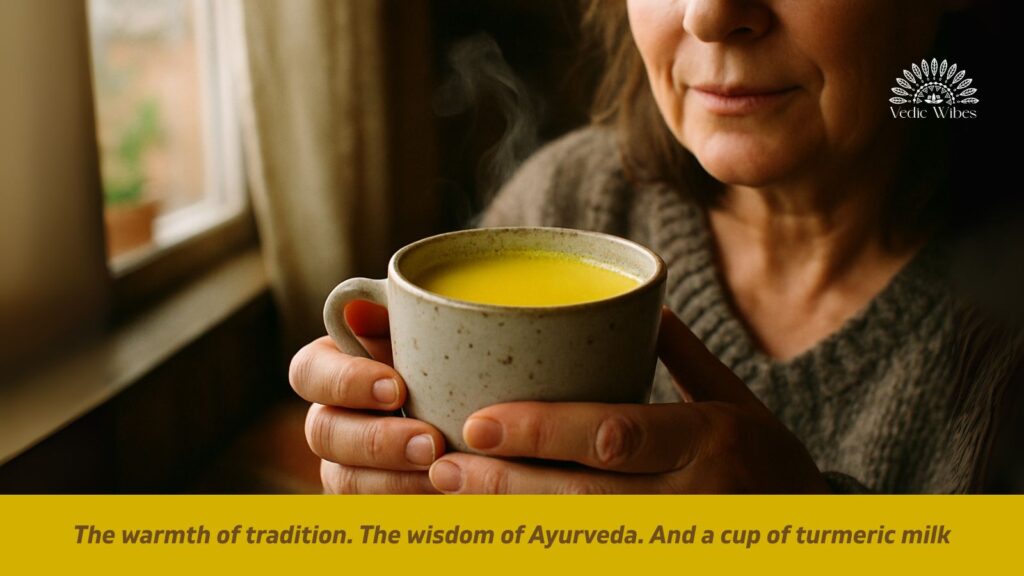
I remember my grandmother’s remedy. She’d hand me a warm cup of chamomile tea, whispering, “This will calm your thoughts.” And it did. Not like a sleeping pill. But a gentle nudge toward calm. That’s the magic of herbal teas for peaceful sleep: they invite rest, instead of forcing it.
Ayurveda has long emphasized sleep, or Nidra, as one of life’s three pillars—alongside balanced food and lifestyle. The Ashtanga Hridayam reminds us:
“Happiness and misery, nourishment and emaciation, strength and weakness, fertility and infertility, knowledge and ignorance, life and death—all depend upon sleep.”
Let’s explore the best herbal teas for sleep, how they work, and how to make them a nightly ritual.
What Is Bedtime Tea?
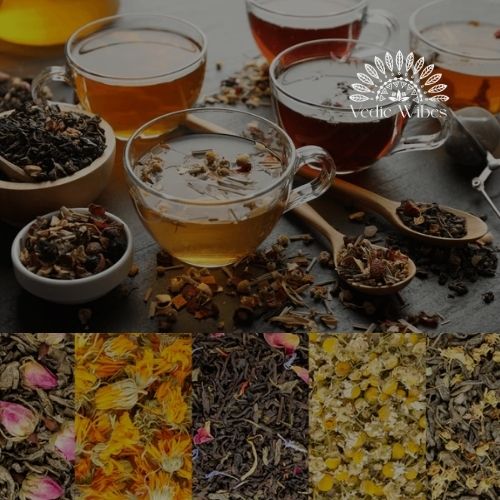
Bedtime tea is simply an herbal infusion—flowers, roots, or leaves—that helps your mind and body relax. Unlike black tea or coffee, sleep teas are naturally caffeine-free. They calm the nervous system, soothe digestion, and prepare you for rest. Think of it as a calming evening ritual. Holding a warm cup, inhaling the aroma, sipping slowly—it signals your body, “Time to let go.”
Benefits of Drinking Tea Before Bed
Adding tea before bed has multiple benefits:
- Calms the mind. Herbs like chamomile, lavender tea, and lemon balm relax the nervous system.
- Supports digestion. Nighttime teas reduce bloating or heaviness that can disturb sleep.
- Balances Vata dosha. Ayurveda links restless sleep to an aggravated Vata. Warm, grounding teas help restore balance.
- Establishes a ritual. Replacing screen time with tea-sipping cues the body for rest.
Best Herbal Teas for Peaceful Sleep
Here’s a guide to the most effective bedtime teas:
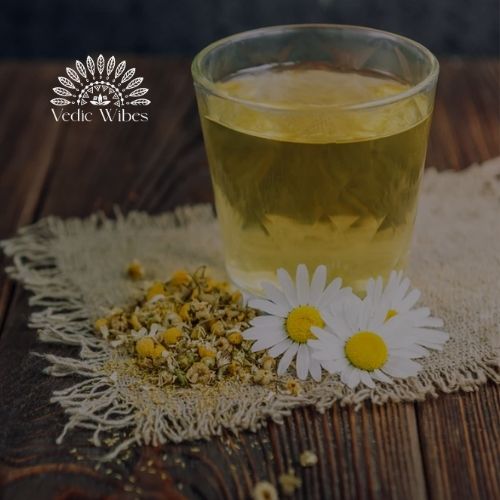
1. Chamomile Tea
The classic sleep tea. Chamomile is soothing, cooling, and ideal for racing thoughts. Often called nature’s gentle lullaby.
2. Valerian Root Tea
A stronger ally for insomnia naturally. Mildly sedative, valerian helps you drift into calm sleep.
3. Lavender Tea
Breathe in lavender. Feel tension melt. Reduces anxiety and promotes deep, restorative sleep.
4. Passionflower Tea
Helps with anxiety-driven sleeplessness. Calms the nervous system and supports relaxation.
5. Lemon Balm Tea
A mint-family herb that relaxes without drowsiness. Perfect for worry-related sleep issues.
6. Magnolia Bark Tea
Used in traditional Chinese medicine. Reduces stress and encourages long, uninterrupted rest.
7. Rooibos Tea
Naturally caffeine-free and rich in antioxidants. Its earthy flavor is grounding and nourishing.
8. Banana Tea
Boiling the peel releases magnesium and potassium—muscles and nerves relax, helping sleep naturally.
9. Low-Caffeine Green Tea
Certain types, like sencha or matcha in small amounts, calm the mind thanks to L-theanine, an amino acid that supports relaxation.

Tips for Drinking Herbal Teas for Sleep
- Drink tea before bed 30–45 minutes prior.
- Skip excess sugar or honey; sweetness can stimulate.
- Make it a mindful ritual: dim lights, breathe, savor your cup.
- Rotate teas for variety—different herbs suit different nights.
- Start small if you’re new to herbal teas.
Are There Any Cons to Drinking Tea Before Bed?
Most bedtime teas are safe, but a few cautions:
- Pregnant or breastfeeding? Avoid passionflower or valerian without professional guidance.
- Mixing strong sleep medications with herbal teas? Always consult a doctor first.
- Valerian root may feel too strong for some.
FAQs on Herbal Teas for Better Sleep
For most bedtime teas, drink about 30–45 minutes before bed. This gives your body time to relax and signals that it’s time to unwind.
Most herbal teas for sleep are safe, like chamomile, lavender, or lemon balm tea. Avoid teas like ginseng or strong stimulants in the evening. Pregnant or breastfeeding women should check with a doctor before trying certain herbs like valerian or passionflower.
One cup is usually enough. Drinking more doesn’t improve sleep and may cause frequent trips to the bathroom.
Yes. Herbal teas for better sleep and anxiety, such as chamomile, lemon balm, and passionflower tea, calm the nervous system and reduce stress before bedtime.
It can help mild or occasional insomnia. For chronic sleep issues, combine natural teas for restful sleep with good sleep hygiene and consult a healthcare professional if needed.
Yes. Chamomile tea contains compounds that gently relax the nervous system, making it one of the best teas for sleep and anxiety. It’s mild, safe, and ideal for nightly relaxation.
Bedtime tea is an herbal infusion—flowers, roots, or leaves—that helps you relax before sleep. Unlike black tea or coffee, it is naturally caffeine-free and promotes calmness rather than alertness.
Drinking herbal tea for sleep can:
Calm the mind and reduce anxiety
Support digestion for better rest
Balance Vata dosha according to Ayurveda
Create a soothing nightly ritual that prepares the body for sleep
Most adults benefit from bedtime teas that help you sleep, especially those experiencing:
- Restless nights
- Anxiety or stress
- Mild insomnia or difficulty falling asleep
- Digestive discomfort before bed
Some of the most effective teas include:
- Chamomile tea – gentle relaxation
- Valerian root tea – natural sleep tonic
- Lavender tea – reduces stress and anxiety
- Passionflower tea – calming for nervous system
- Magnolia bark tea – supports deep sleep
- Lemon balm tea – reduces worry
- Ginkgo biloba tea – supports mental calm
- Rooibos tea – grounding and antioxidant-rich
- Banana tea – magnesium and potassium relax muscles
- Low-caffeine green tea – contains L-theanine for calm
Sip 30–45 minutes before bedtime
- Avoid too much sugar or honey
- Make it a calming ritual: dim lights, breathe, enjoy
- Rotate teas to explore different flavors and effects
- Start small if you’re sensitive to new herbs
Sleep isn’t a one-time fix. It’s built slowly—sip by sip, habit by habit.
Herbal teas for peaceful sleep are gentle reminders that rest is part of healing. They calm the mind, soothe the body, and support a relaxing nighttime ritual.
Tonight, instead of scrolling your phone, brew a cup of chamomile or lavender tea. Sit quietly. Let the warmth move through you. Notice your body soften.
Remember: sleep is not a luxury. It’s your birthright.
If this guide helped, explore more timeless wellness rituals on Vedicwibes. Your next sip of calm may be waiting there.
Interested to know the common mistakes that you should avoid with herbal tea?
About The Author

Ishita Sengupta
Ishita Sengupta is a wellness educator and founder of Vedicwibes. She shares practical Ayurvedic tips and mindful living strategies for people looking to live healthier, balanced lives. Her approach blends ancient wisdom with modern practicality, making wellness simple, effective, and enjoyable.
- Ishita Senguptahttps://vedicwibes.com/author/consultishitahahgmail-com/
 September 20, 2025
 - Ishita Senguptahttps://vedicwibes.com/author/consultishitahahgmail-com/
 September 9, 2025
 - Ishita Senguptahttps://vedicwibes.com/author/consultishitahahgmail-com/
 September 3, 2025
 - Ishita Senguptahttps://vedicwibes.com/author/consultishitahahgmail-com/